
Fieldwork Tips and Tricks
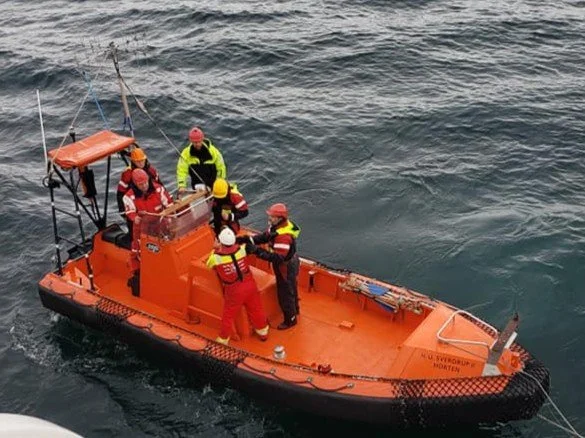
Image and Article Credit: Jackie Bort
My first opportunity for fieldwork came in 2005 when I helped respond to a mass stranding of pilot whales in the Outer Banks of North Carolina. It was an unseasonably cold and rainy week, and we were on the beach in the foul weather for several days in a row. I will tell you right now, I was wholly unprepared in terms of gear. Other people on my team had to lend me extra layers, and even after that, I spent the weekend pretty darn cold. My first time spending an entire summer in the field on a boat was in 2006 in Maine, which was also a lot colder than I anticipated, even after seriously upping my outdoor gear game.
It's with these experiences in mind that I wanted to compile a list of field tips and tricks learned over my now (oh my!) 21 years in the field. I also put a poll out on my Instagram for tips from my friends, most of whom are in the field far more often than me these days. They all work in a variety of different settings—extended ship-based surveys, day trip vessel surveys, aerial surveys, diving, land based surveys—so not all of these tips may apply to every setting, but all are great suggestions and you’ll definitely see some common themes!
Motion Sickness:
I will never forget someone telling me that real marine biologists didn't take sea sickness medication when I first started. I was very naive and tried to take this to heart…what goofy nonsense. Take the Dramamine or Bonine, wear the patch or bracelet, do what you gotta do. There is literally no shame in doing these things, or having to lean overboard and feed the fishies. Take care of yourself.
Layers:
This is going to be trial and error to find what is most comfortable for you, but in general I try to stay away from cotton shirts as a base layer. I will go for a merino wool (worth the investment) or a moisture-wicking layer. I have also found that if I need to pack warm comfy layers that can be worn repeatedly, could even be slept in, and also transfer easily to going out on dock days, you can find inexpensive 100% cashmere at T.J. Maxx or other similar stores. You will also likely need some sort of wind blocking layer.
If you are brand new, ask if there is gear you might be able to borrow in advance, especially for extreme cold settings. I’ve also had some fieldwork overseas where they provided gear because traveling with a full mustang suit was going to be a little difficult!
Food:
This was a MAJOR topic for my friends! Pretty much everyone reiterated bringing snacks, and plenty of them. A wide variety is important as well. “You’ll never regret having too many.” My snack preferences are to always have fresh crunchy snacks like carrot sticks, as well as ginger snap cookies or something else with whole ginger. For land-based surveys, I’ve had a cooler with mini bell pepper/lettuce wraps with cheese, and turkey, and whatever else you want, for example mini guacamole cups (or make your own in a small Tupperware).
From my friend Jess: For boats/hot weather- bring a salty crunchy snack, and a sweet snack. A salty cruchy snack gets you quick and easy carbs if you’re feeling queasy, and salts/electrolytes. Sweets get you some sugar which I find helpful in hot weather. Snack diversity helps me keep nausea down.
A lot of my field team brings leftover pizza, big sub sandwiches, all kinds of food. Food is your friend in the field, as well as plenty of water and electrolytes.
Bathroom:
I swear by Kula cloths and recently the addition of a funnel for land-based fieldwork. It could also work on smaller boats where a head is not available. For those of you who require additional hygiene products- consider period underwear if going to be in the field without a place to change, but are unable to use a cup for whatever reason. A cup would definitely work better than tampons or pads in the field overall though. As a general rule, be sure to always have these even if you don’t expect it (with extras in case others need them).
General must haves (as suggested by my peeps, seconded by me!):
Always have a hat, sun glasses, chapstick and sunblock. Sunscreen early and often.
A good waterproof duffle bag (with wheels) is worth spending the extra money.
Always bring your own pillow. And shower shoes.
Sunhats look dumb but they work.
You don’t need to pack as much clothing as you think you do. But pack more socks and underwear than you think you’ll need.
Overall logistics/questions:
If possible, ask a lot of questions ahead of time to get a sense of logistics. It’s OK to be new, and most teams would much rather you speak up if you’re unsure about something than be unprepared. If they seem annoyed by this, maybe consider a different field team…this one isn’t cool. Ask about what gear/clothes are best to bring for their particular fieldwork. And yes, you may get out in the field and realize that you need something you hadn’t thought of before, or don’t need something that you thought you did. Being comfortable in the field is again, largely a personal preference and you will hone your skills as a field biologist as you gain more experience!
Have a tip we didn’t include? Let us know!