The Next Swell Grant Winners
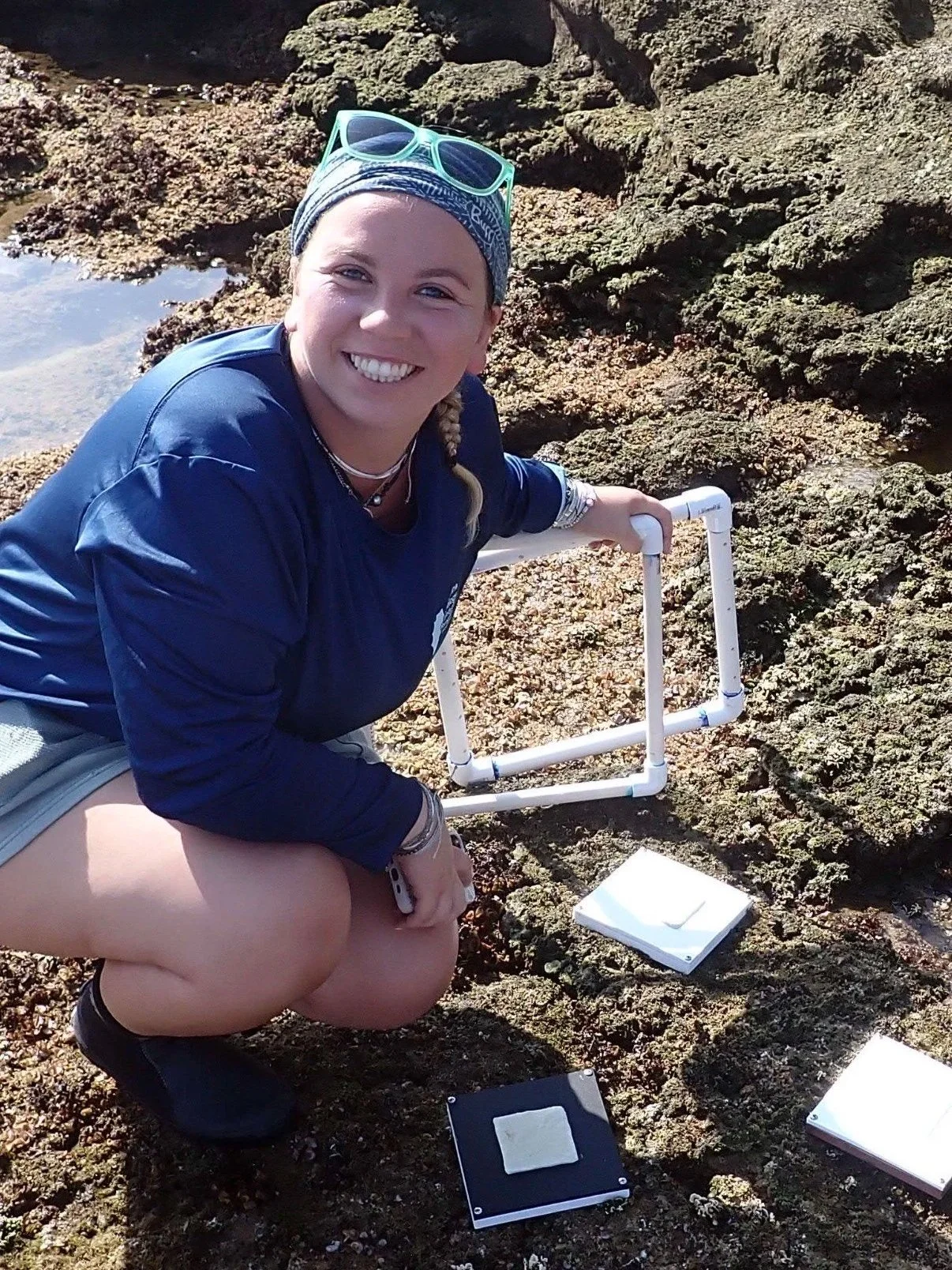
Madigan - Graduate Student at University of Hawaiʻi at Mānoa
Madigan is researching how environmental change affects critical nearshore ecosystems. Her current work focuses on Hawai‘i’s intertidal communities—an area that is heavily understudied compared to temperate zones, despite the immense cultural and ecological importance of the limu (algae) community that grows there. Utilizing a field experiment of settlement tiles, Madigan analyzes the impacts of heat stress on these algae communities, as well as the role herbivores play in buffering those effects. This grant funds her travel to Hawai‘i Island to partner with community collaborators and survey the intertidal zone within the "Try Wait" Marine Reserve as it prepares to reopen in late 2026 after ten years of full protection.
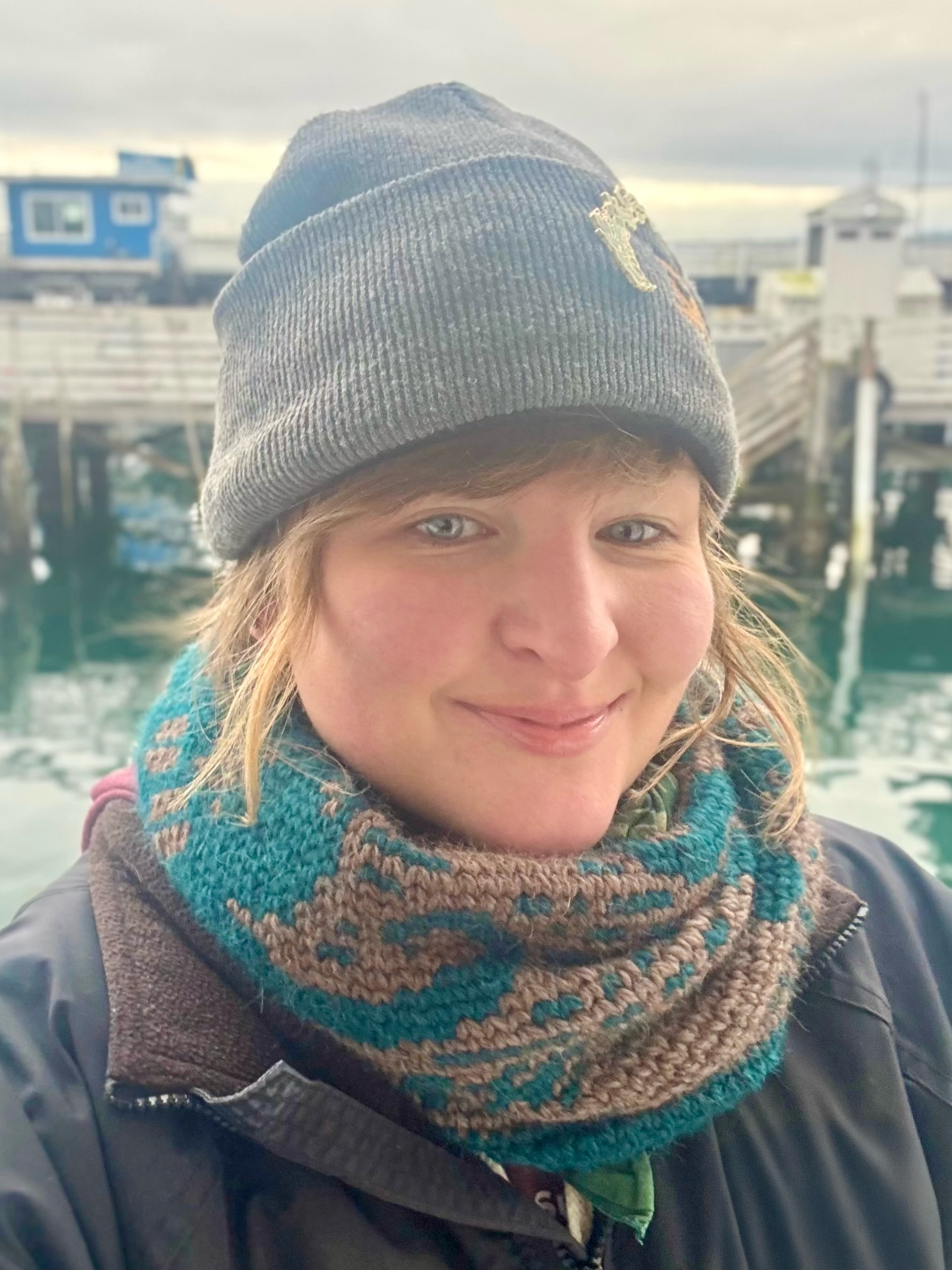
Katie - Graduate Student at Moss Landing Marine Labs, San Jose State University
Katie is researching the capacity of treatment wetlands to mitigate excess nutrients in agricultural runoff and how sediment microbial community structure impacts nutrient fluxes. She is currently analyzing a data set spanning 2.5 years from an experimental 12-channel bioreactor to compare the nitrate reduction capacity of treatment wetlands, bioreactors, and empty waterways. Her upcoming field work in Sea Mist Treatment Wetland focuses on seeing if there are correlations between sediment microbial community structure, nitrogen and orthophosphate levels in surface water and pore water (water in the mud), and other environmental factors as runoff passes through the wetland and its associated wood chip bioreactor. She’ll be using 18S DNA metabarcoding, flow injection analysis, and measurements taken in the field for her analyses. The Next Swell Grant directly supports Katie’s acquisition of supplies and equipment for her field sampling.
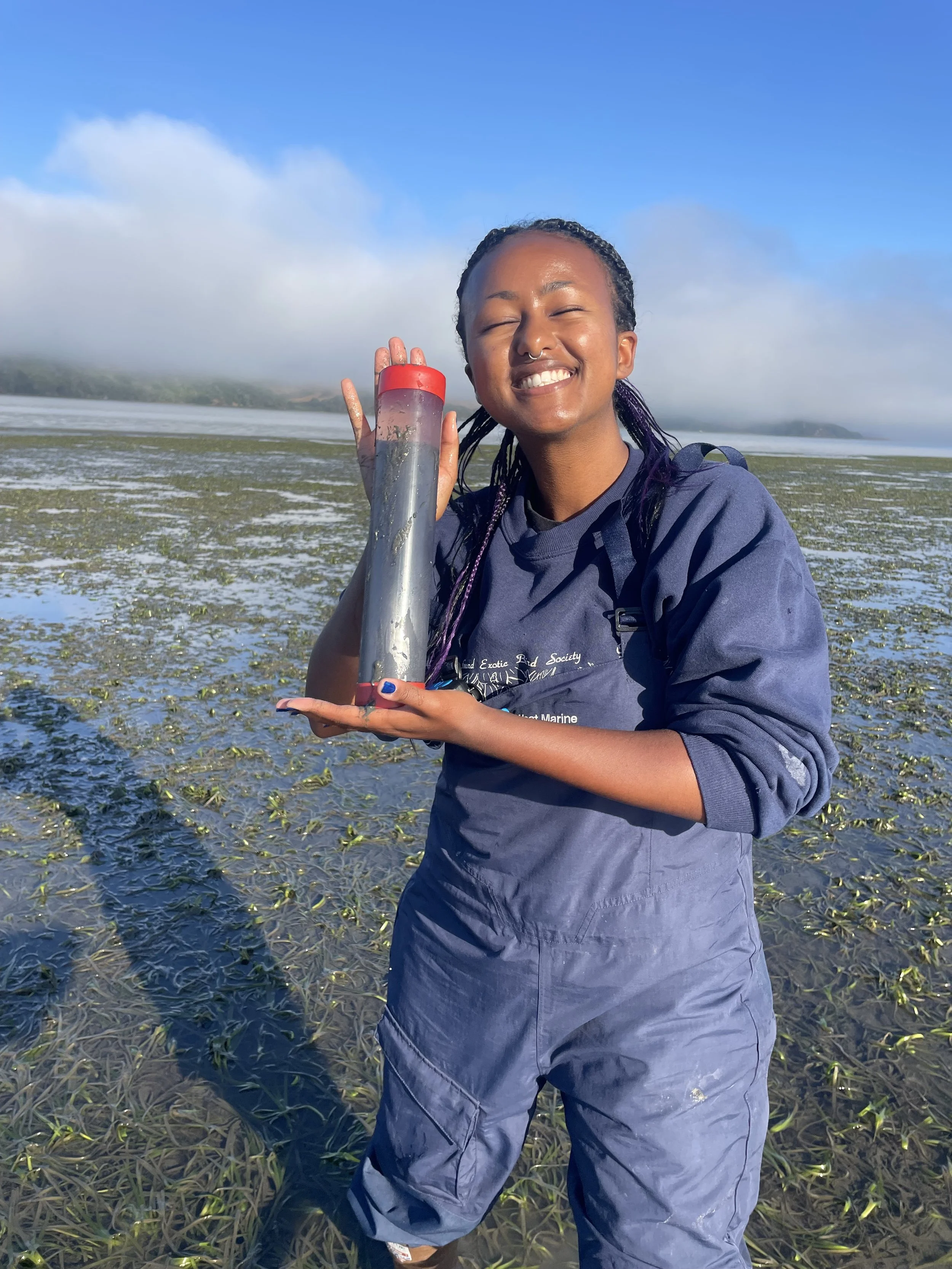
Liyu - Graduate Student at Bodega Marine Laboratory, UC Davis
Liyu is a nearshore biogeochemist who explores the carbon storage potential of vegetated coastal ecosystems as a nature-based climate solution. Her doctoral research investigates how seagrass meadows, a vegetated coastal ecosystem that exists along nearly every continent’s coastlines, can naturally mitigate carbon emissions and ocean acidification through alkalinity production. Studying alkalinity production in contrasting seagrass sediments will help (1) elucidate the true carbon capture potential of seagrass beds, (2) further resolve our understanding of global carbon cycling, and (3) promote the future conservation of these critical marine ecosystems.
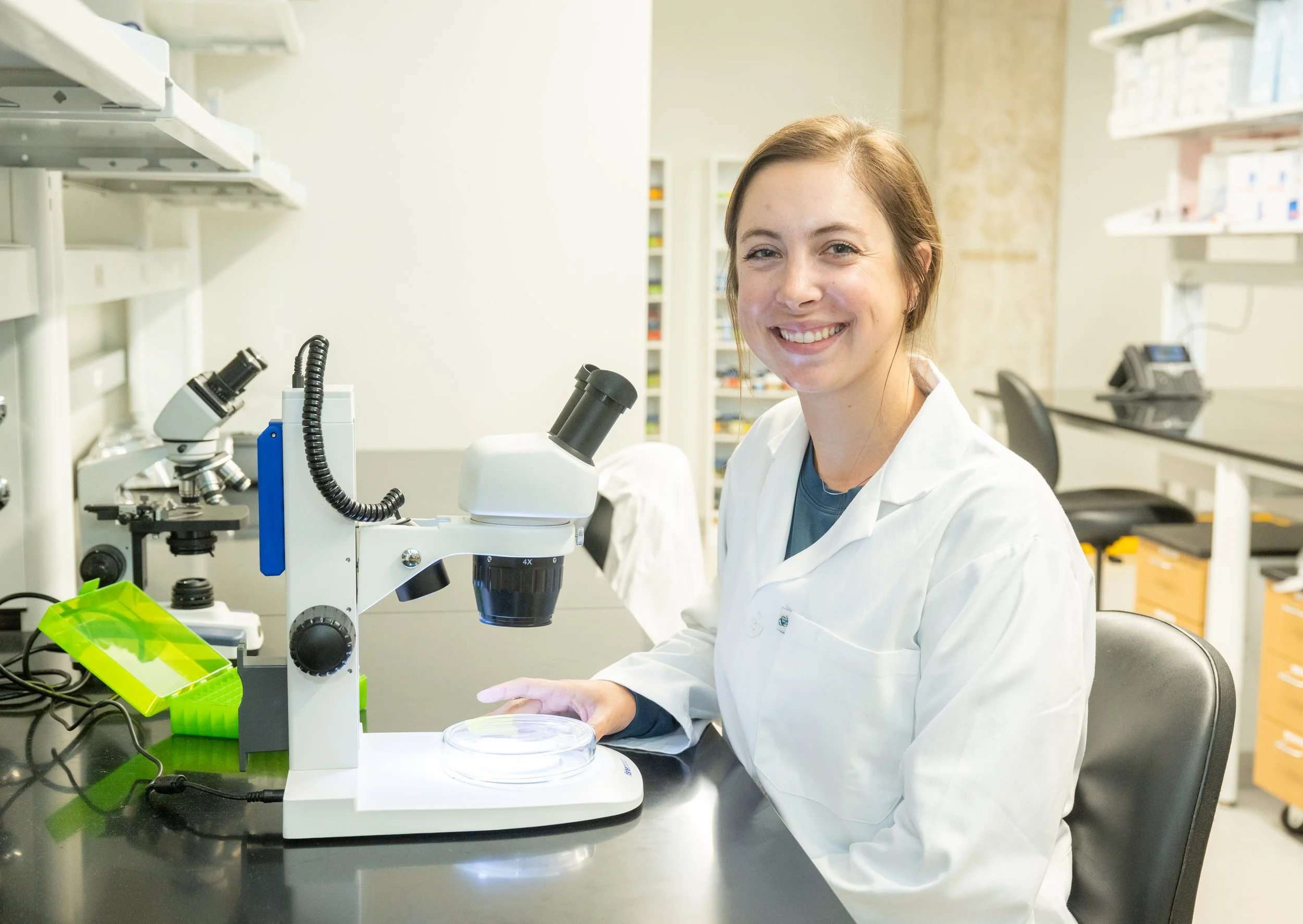
Jasmine - Graduate student at Texas A&M University-Corpus Christi
Jasmine’s PhD research examines the trophic ecology and contaminant exposure of southern flounder in the Mission-Aransas and Nueces estuaries of South Texas. Using stomach content and stable isotope analyses, she studies how diet varies across age and sex, while also measuring mercury concentrations in muscle tissue and microplastic abundance in the stomachs of these fish. This work helps address key knowledge gaps for a species in steep decline.
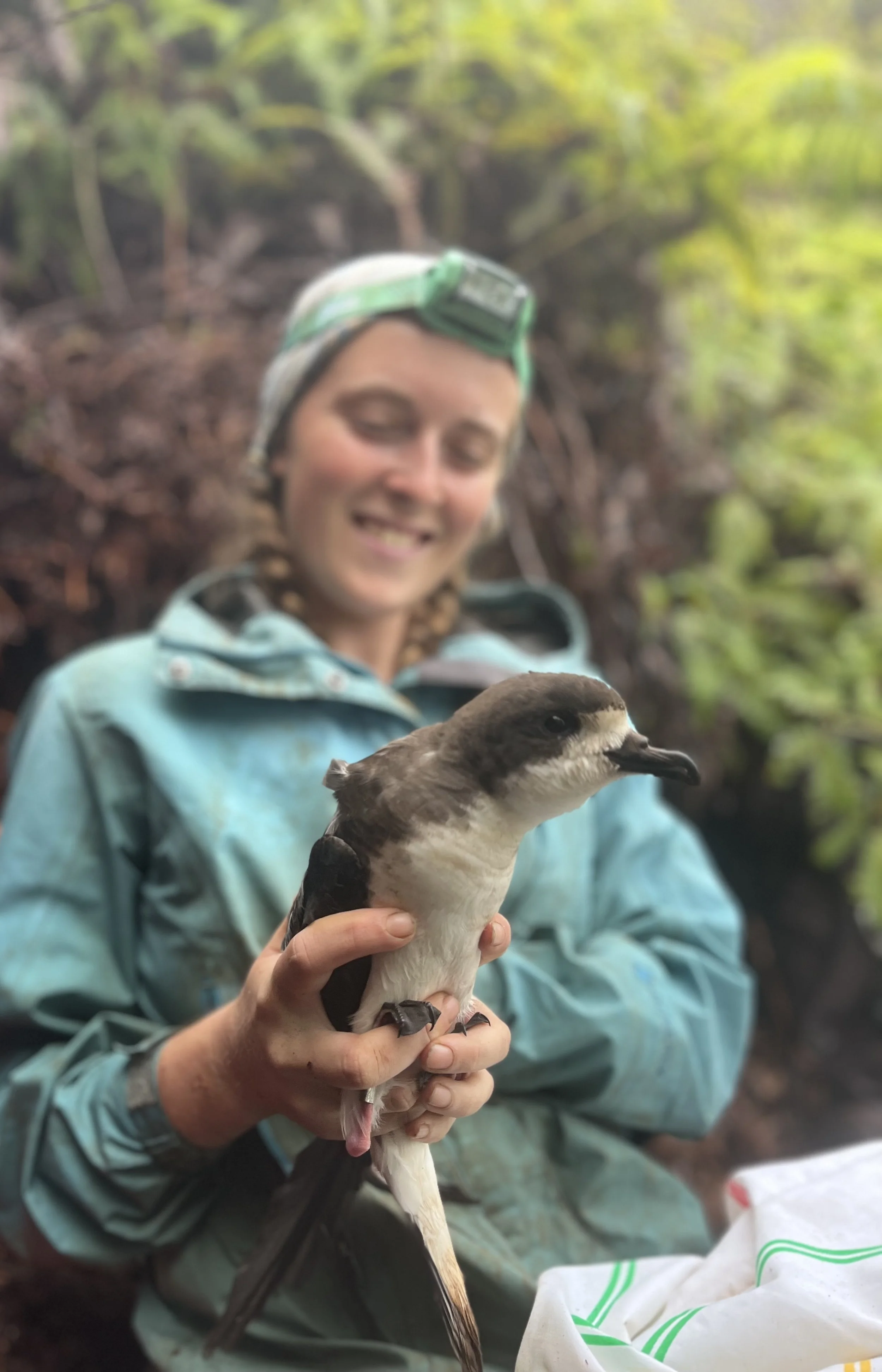
Emmylou - Graduate student at Hawaii Pacific University
Emmylou focuses on seabirds, sentinels of ocean ecosystem health which can be used as bioindicators of contaminants in marine food webs. Her research is on the plastic exposure of ʻuaʻu, an endangered petrel species endemic to Hawaiʻi that forages in high-risk regions, such as the Great Pacific Garbage Patch. She uses ʻuaʻu boluses, stomach contents, and guano to quantify their plastic ingestion and her research will pair this data with eDNA metabarcoding analysis of their diet to describe the trophic transfer of plastic via their prey.
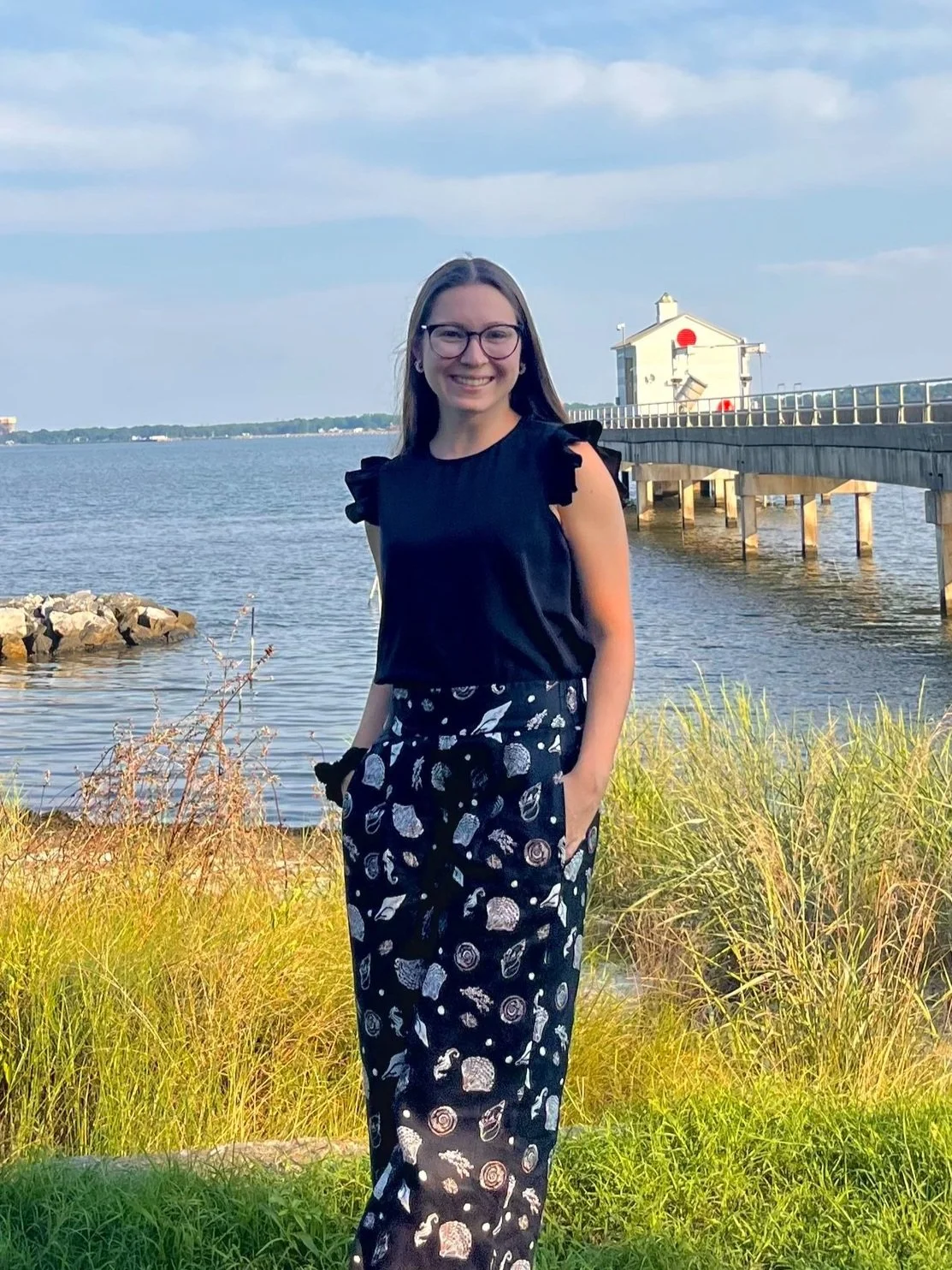
Anna - Graduate student at University of Colorado, Boulder
Anna studies how parasites and diseases shape marine ecosystems. Her PhD research focuses on an emerging parasitic infection known as Black Spot Syndrome, which affects important herbivorous fish species on Caribbean coral reefs. These fish, such as surgeonfish and parrotfish, play a crucial role in maintaining reef health by controlling algal growth. Through scuba-based field surveys around the reefs of Curaçao, Anna is investigating how this infection may alter fish behavior, and how such changes could ultimately impact coral reef ecosystems at a broader scale. The results of this research will provide meaningful insights into the fields of marine disease ecology and coral reef conservation.
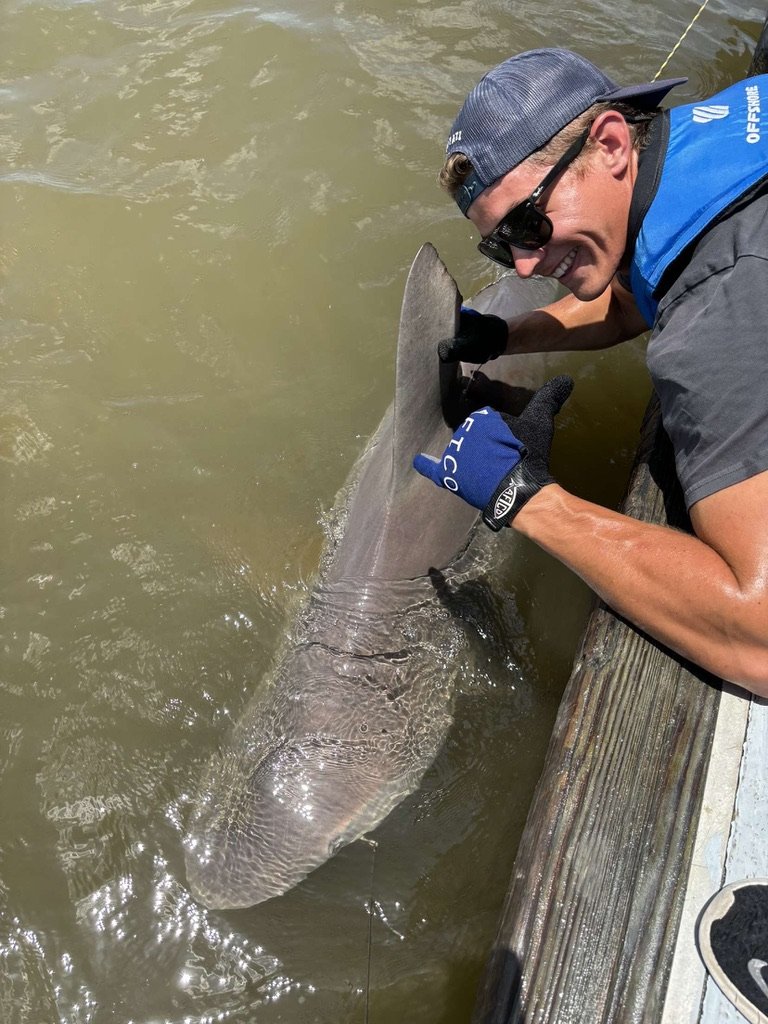
Shane - Graduate student at Coastal Carolina University
Shane’s research focuses on the trophic ecology and resource use of co-occurring marine predatory fish in low-salinity environments. He is using stable isotopes from Bull Sharks, Sandbar Sharks, and Red Drum to determine the degree of niche partitioning and quantify basal resource use in oligo- and mesohaline regions of Winyah Bay, South Carolina. Findings from his research will provide insight into how these predators coexist and partition resources in estuarine environments. By understanding trophic interactions and reliance on different basal resources, his research will contribute to broader efforts in fishery management and estuarine conservation.

Angela - Graduate student at Northeastern University
Angela specializes in sea star functional morphology. She is interested in how the surface of the sea star interactions with the micro-environment and the water. Because of the very deadly Sea Star Wasting Disease, she has been spending a lot of time on algae presses and other forms of science and art to stay grounded and joyful. Inclusion is a core principle of hers, so she also works hard to include as many different people as possible into her work and understanding of the wonderful world of tiny ocean features and creatures!

Blake - Graduate student at University of Hawaiʻi at Mānoa
Blake’s thesis research focuses on describing food webs around tropical Pacific Islands, particularly how coastal environments like coral reefs are trophically connected to the deep sea. He uses compound-specific stable isotope analysis and DNA metabarcoding to identify coastal zooplankton in the diets of deep-sea micronekton (small fishes, shrimps, and squids) around the Hawaiian Islands. This information will be used to inform coastal and deep sea conservation policy, as well as to better parameterize ecosystem models that are used to predict catch rates of bigeye tuna and swordfish.
Blake was awarded a grant to pay for indexing costs in the DNA metabarcoding process that will be used to identify distinctly reef-associated zooplankton from the Hawaiian Islands!

Corey - Graduate student at University of Hawaiʻi at Mānoa
Corey’s thesis research focuses on describing the dynamics and residency patterns of reef manta rays (Mobula alfredi) at two aggregation sites off the Kona coast of Hawai'i Island, using community-sourced data and modeling techniques. Additionally, she leads the O'ahu manta project, where she has begun to uncover important insights about this previously understudied population. Through aerial surveys with drone technology, Corey is gathering crucial data on manta rays around O'ahu to inform future research and conservation efforts.
Corey was awarded a grant for the purchase of a drone remote controller which will directly help out with her aerial survey work as a part of the O'ahu manta project!