The Next Swell 2026 Scholarship Winners
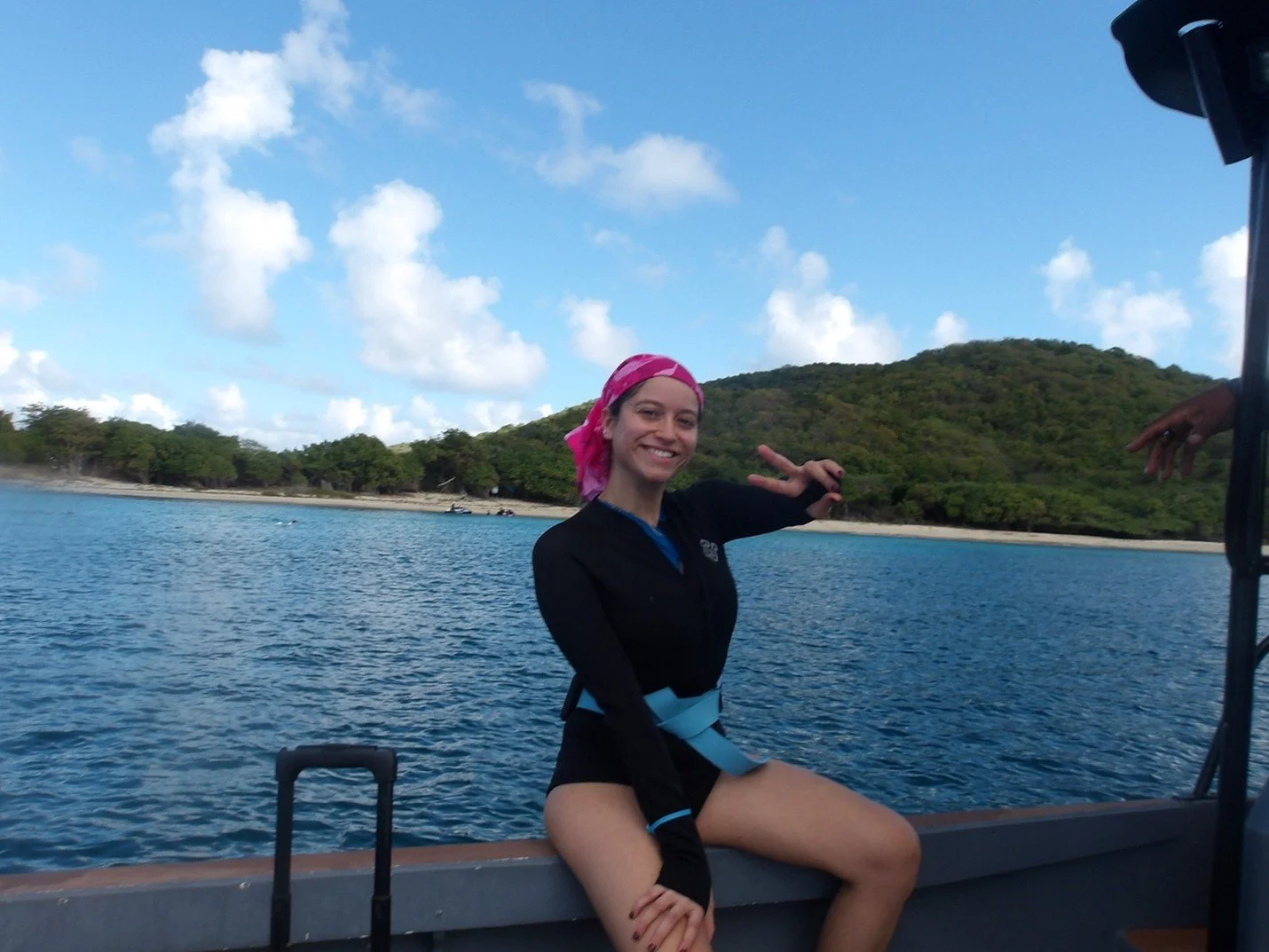
Sofia - Graduate student at Duke University
Sofia is concentrating in Coastal and Marine Systems and Community Engagement & Environmental Justice. Her current research uses remote sensing to map micro-dumps and assess the impacts of the waste management crisis in western Cuba. Specifically, she is conducting a proximity analysis to determine whether these sites pose additional anthropogenic threats to marine ecosystems, particularly coral reefs and seagrass beds. The second phase of her project involves traveling to Cuba to conduct ground-truth validation and assess the health of coral reefs and seagrass ecosystems. This phase will also incorporate community-based and participatory science to identify additional micro-dumps and evaluate marine ecosystem conditions. The goal is to establish a replicable baseline assessment framework that links solid waste to marine ecosystem health and informs equitable, science-based solid waste planning in Caribbean marine protected areas.
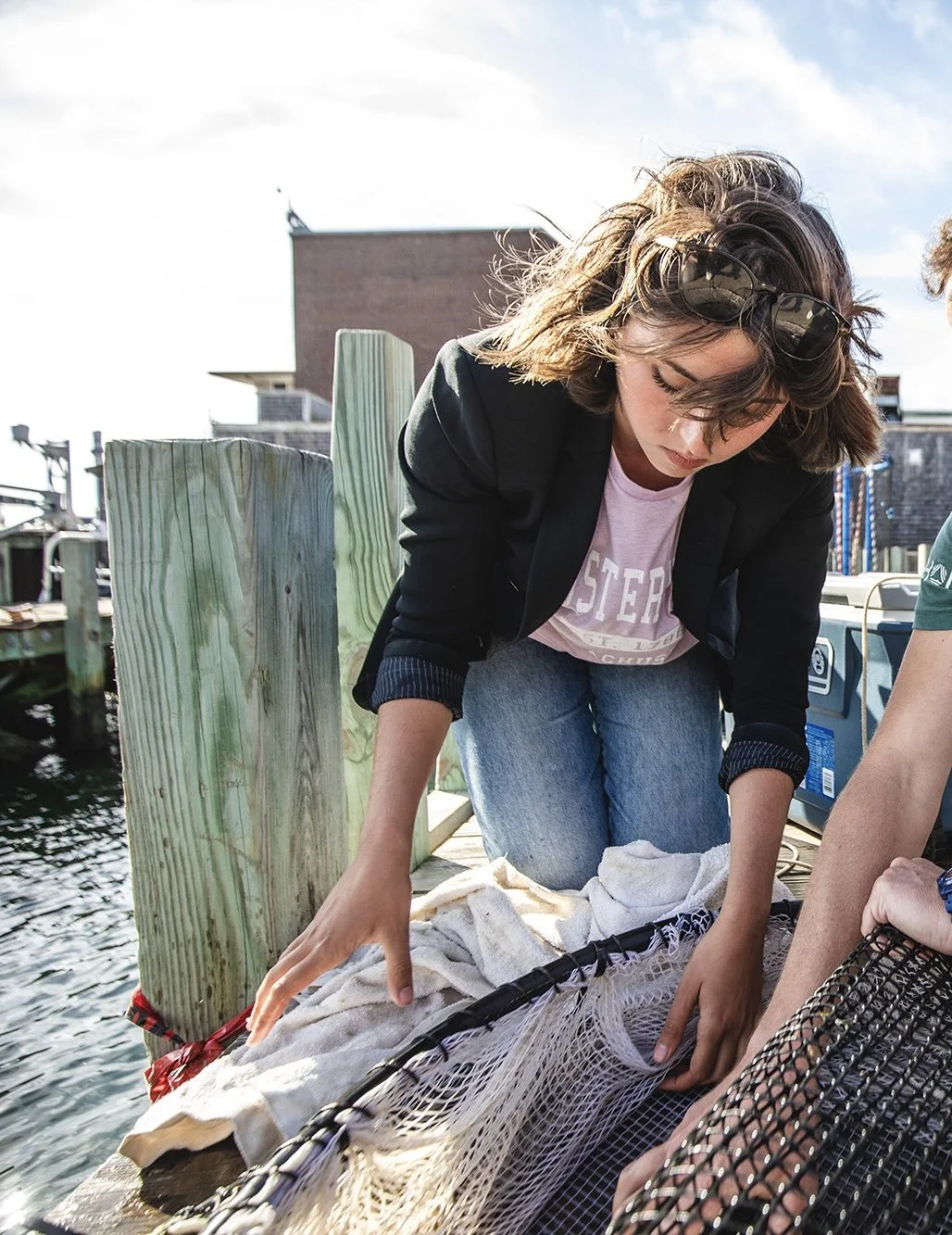
Amelia - Graduate student at Columbia University, School of International and Public Affairs
Amelia is a Master of Public Administration student in Environmental Science and Policy, which builds on a Bachelor of Science from Tufts University. Prior to SIPA, she held appointments at Woods Hole Oceanographic Institution in two bioacoustics laboratories. She has worked across research on offshore wind impacts on commercially important fisheries species, reef-fish call detection using low-cost recording devices, and the classification of bottlenose dolphin signature whistles. She has also written for public audiences, with bylines across Oceanus Magazine, Eos, and Science News Explores. These combined research and communication experiences inform Amelia’s policy focus on ocean governance and the implementation of marine conservation frameworks.
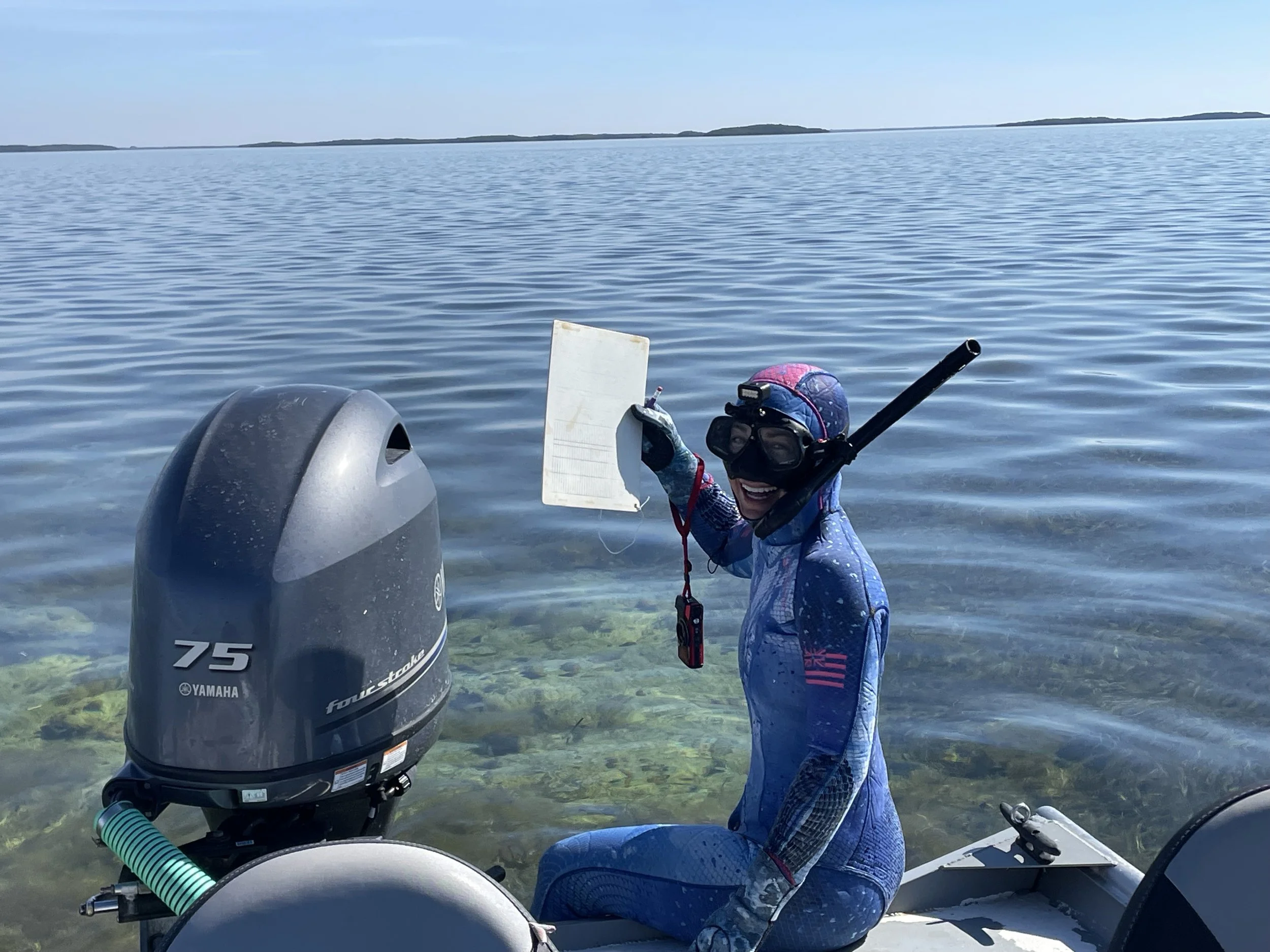
Alexa - Graduate student at Florida State University
Alexa Putillo is a PhD candidate in Biological Oceanography at Florida State University, where her research focuses on the foraging ecology and ecological roles of sea turtles in the Gulf of Mexico. Coastal habitats in Florida’s Big Bend region support sympatric turtle assemblages, yet the drivers of their foraging patterns, including how these are shaped by environmental variability and human activities, remain poorly understood. Her work integrates stable isotope analysis, fatty acid profiles, and animal-borne biologging devices to quantify diet composition, nutritional ecology, and fine-scale behavior across green, loggerhead, and Kemp’s ridley sea turtles. While there is some overlap in resource use among species, their diet selection, behavior, and habitat use lead to distinct ecological roles within these systems. Her research contributes to a more comprehensive understanding of how marine megafauna influence coastal food webs. These insights provide important implications for conservation and management in the Gulf of Mexico under ongoing environmental change.
In addition to her research, Alexa is passionate about teaching, mentorship, and science communication. She works closely with undergraduate students, leads field-based learning experiences, and shares her research through outreach and digital platforms to make marine science more accessible. Through both education and communication, she aims to bridge the gap between research and public understanding, fostering a deeper connection to marine ecosystems and their conservation.
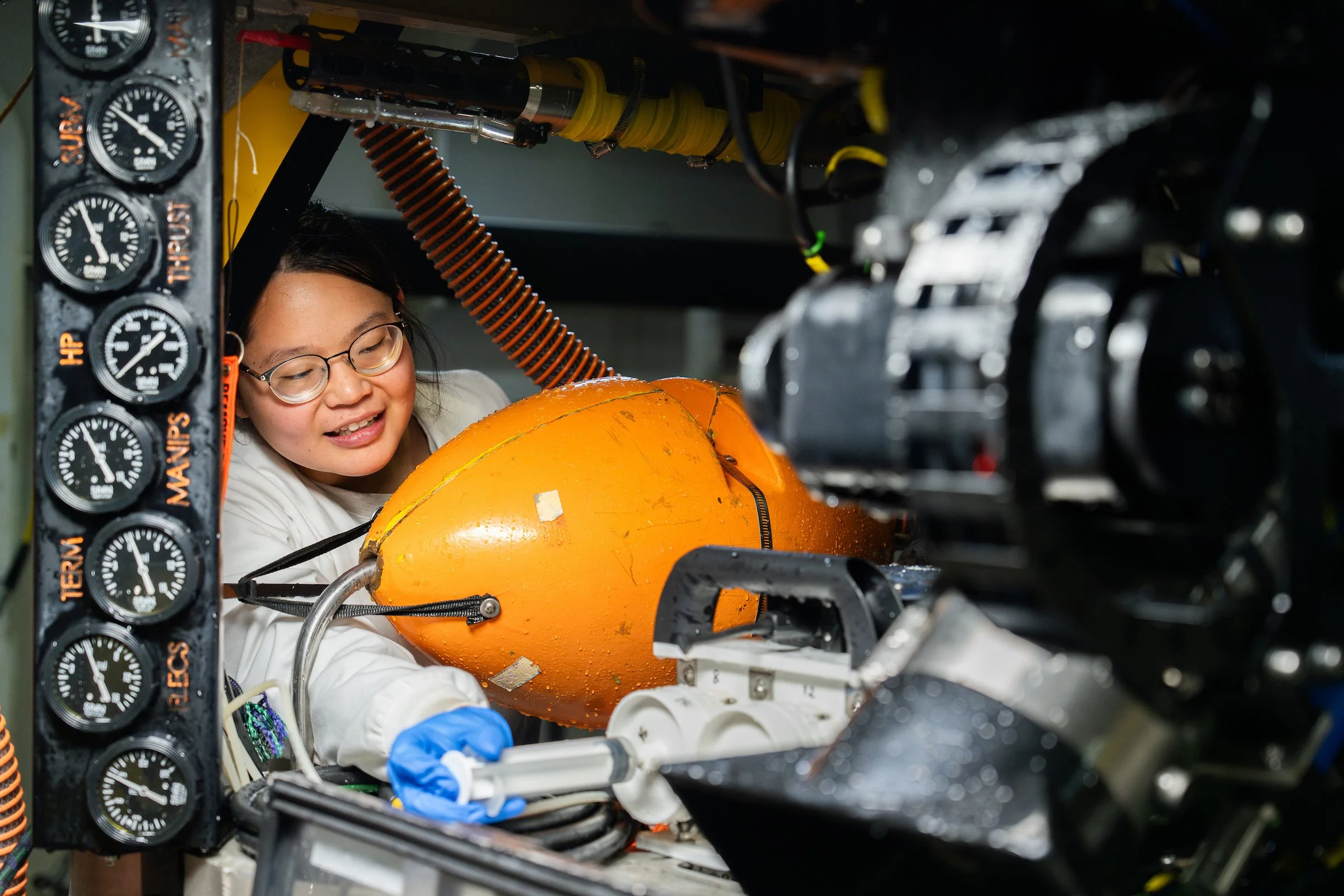
Milan - Graduate Student at Oceans Research Center, Lehigh University
Milan is broadly interested in deep-sea ecology, specifically how biodiversity is structured across different environmental gradients, and utilizing the power of environmental DNA (eDNA) to illuminate these patterns. Her research focuses on vulnerable marine ecosystems, including hydrothermal vents and deep-sea coral ecosystems, to better understand the ecological mechanisms that support their diversity and persistence in the deep-sea. As these valuable habitats face growing pressure from human activities like deep-sea mining, her goal is to build baseline biodiversity data using eDNA to support conservation and long-term monitoring efforts. In this picture, she is preparing an eDNA sampler to dive down to 400 m in search of cold seeps in the Argentine basin and the animal community that inhabit these incredible ecosystems.